Skip to main content
Search
Search
Study
Research
News & Events
People
Community
About us
Search
Study
Why Edinburgh Law School
Undergraduate degrees
Masters degrees
Online masters degrees
Research degrees
Diploma in Professional Legal Practice
CPD and short courses
Research
Research areas
Commercial Law
Criminal Law and Evidence
Criminology
EU Law
IP, Media and Technology Law
Legal History
Legal Theory
Health, Medical Law and Ethics
Private Law
Public International Law
Public Law
Research centres and networks
Research projects
Impact and engagement
Research opportunities
Research ethics and research resources
Community
Alumni
Career Opportunities Programme
Edinburgh Foundation for Women in Law
Legal advice clinics
Scholarships, prizes and awards
Student groups and societies
Support Edinburgh Law School
About us
The School
Mission and values
Our history
Our campus
Facilities and resources
Free Legal Advice Centre
Vacancies
Contact us
Breadcrumb
Home
node
Undergraduate Open Day
Sat 5 October 2024 09:30-16:00
CJS Seminar: Dr Ben Colliver
Wed 6 November 2024 16:00-17:30
Sidley Austin Insight Evening 2024
Thu 10 October 2024 18:00 - 20:00
CJS Seminar: Sandhya Fuchs
Wed 9 October 2024 16:00-17:30
Alumni Perspectives - Sir Charles Fraser
Fri 1 November 2024 13:00 - 14:00
POSTPONED: Mason Institute Keynote Seminar: The Assisted Dying Debate in Sweden from a European Perspective
Tue 8 October 2024 13:00-14:00
Edinburgh Law School Legal Studies Research Paper Series - September 2024
17 September 2024
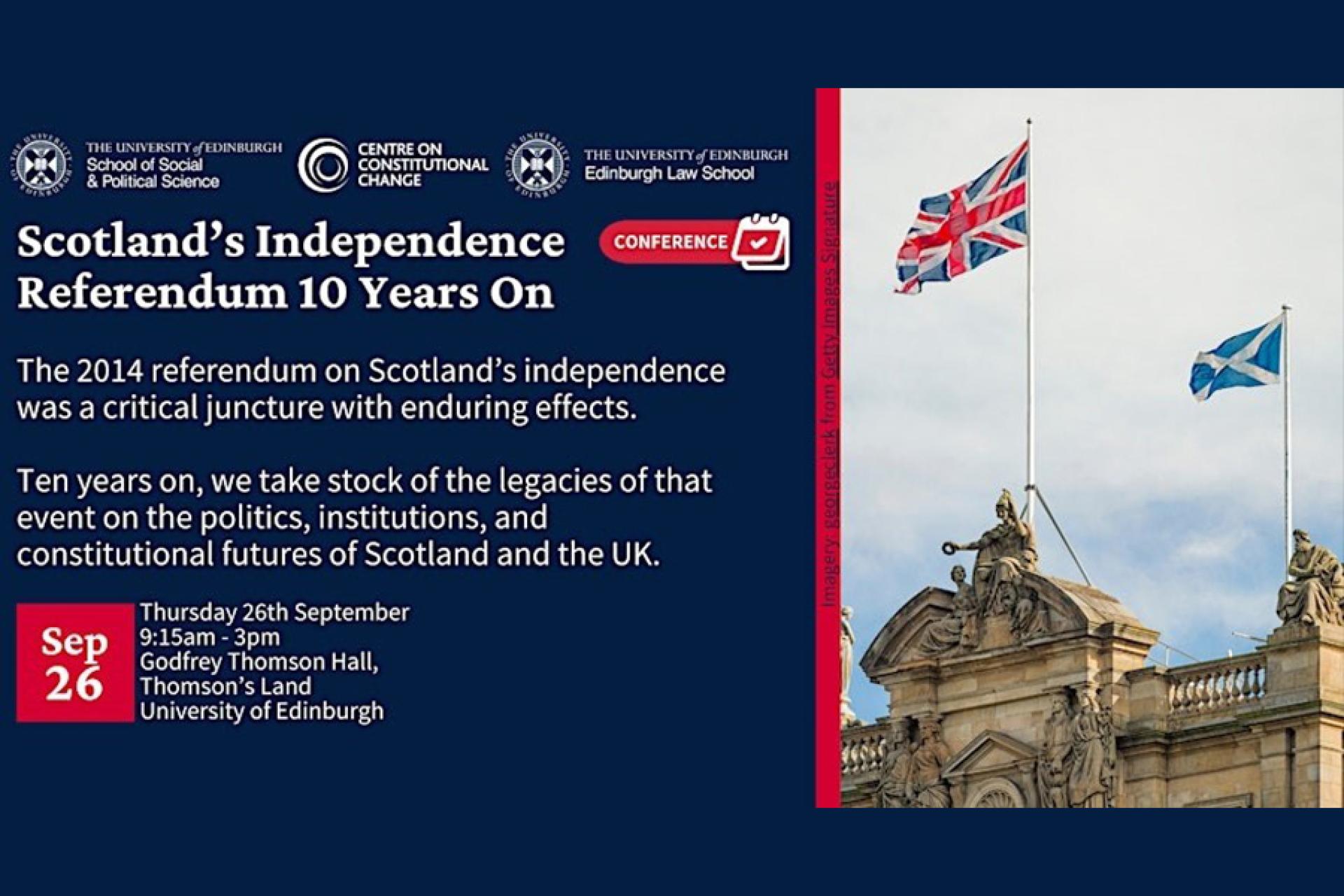
Scotland’s Independence Referendum 10 Years On
Thu 26 September 2024 09:15-15:00
Work-in-Progress: ‘Change: What is it good for?’ – Başak Etkin
Thu 10 October 2024 15:00-17:00
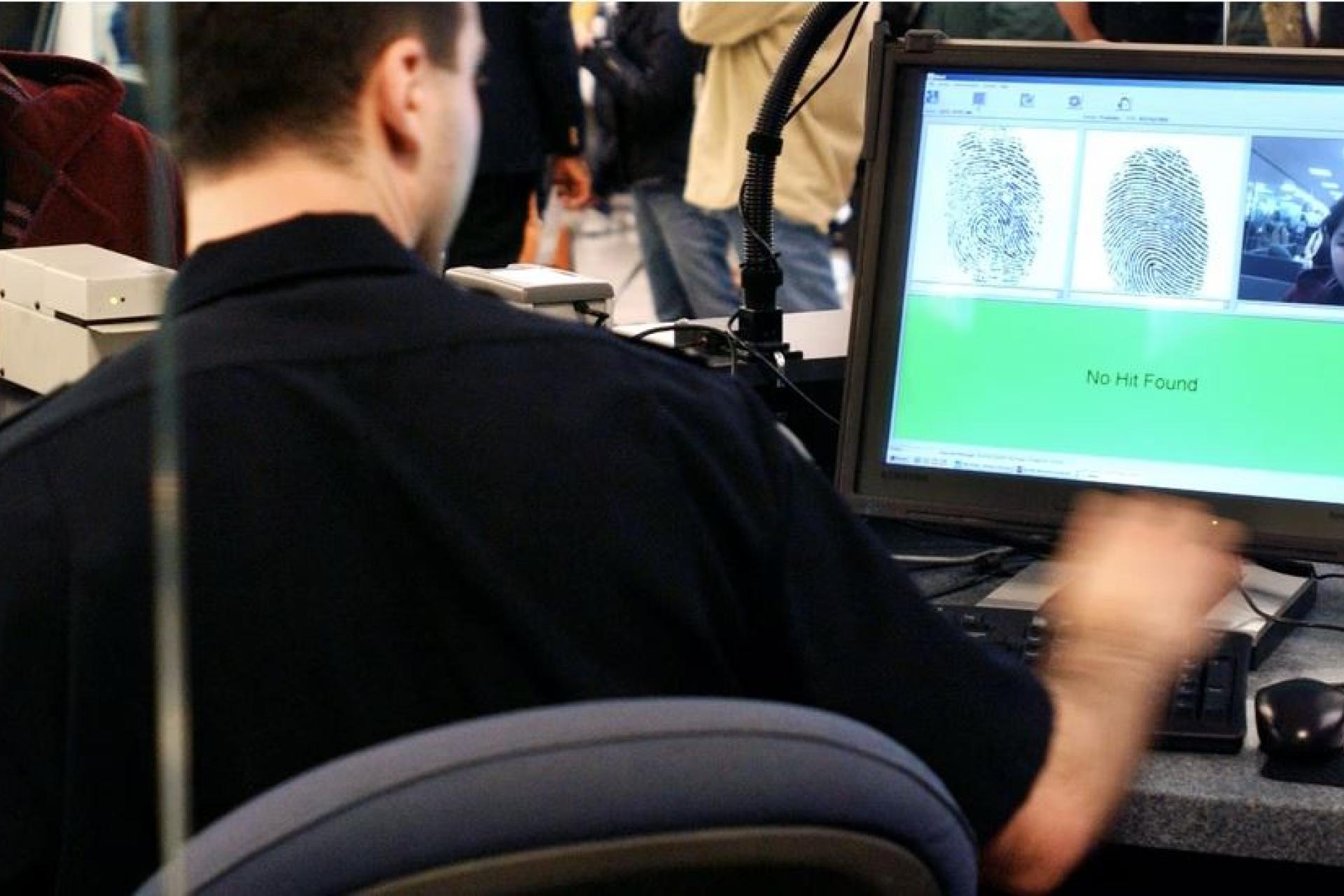
Surveillance, Privacy and AI-Driven Security: in conversation with Hina Shamsi (ACLU)
Thu 26 September 2024 17:30-19:00
Pagination
First page
« First
Previous page
‹ Previous
…
Page
56
Page
57
Page
58
Page
59
Current page
60
Page
61
Page
62
Page
63
Page
64
…
Next page
Next ›
Last page
Last »
Subscribe to