Winners of the 2025/26 Mason Institute Student Essay Competition announced
Tue 20 October 2026
The Mason Institute has announced the winners of its 2025/26 Student Essay Competition, recognising outstanding student writing on ethics and law in health, medicine and the life sciences.
Postgraduate Category
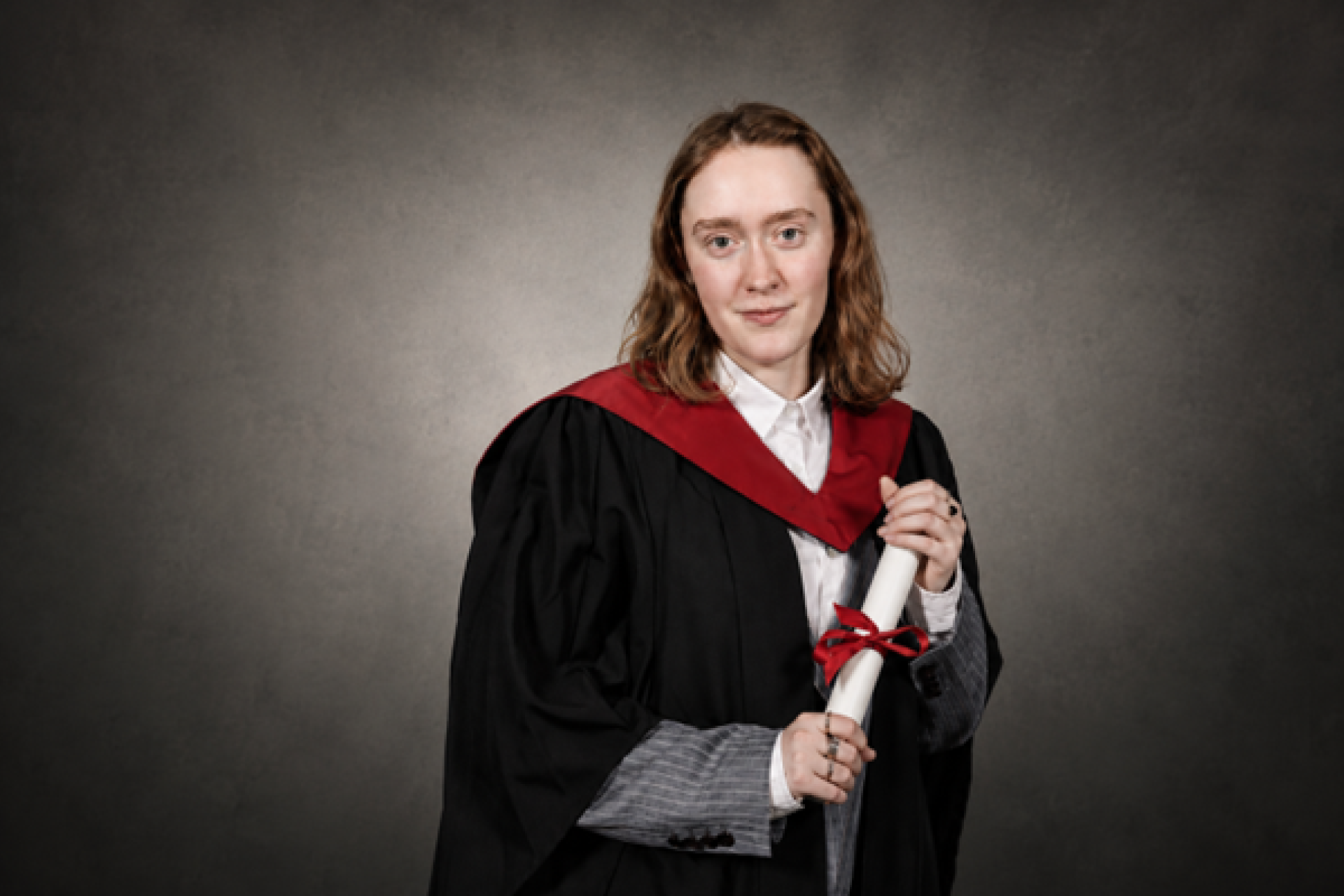
Winner: Samantha (Sam) McPhillips
From Risk to Capacity: The Limits of Fusion Law in Reforming Involuntary Treatment
Samantha (Sam) is an LLM (General) student at the University of Edinburgh with a particular interest in public health ethics. Her current dissertation examines HIV/AIDS-related stigma in Scotland, exploring the relationship between public health law, ethics and LGBTQ+ health inequalities through a socio-legal lens. She hopes to continue her studies on the PgDip in Law while developing her research into contemporary legal and ethical issues affecting Scotland.
Runners-up:
Sophie Sargent
Pornography as Pedagogy: Fractured Consent in a Digital Age
Sophie is a Graduate Law Diploma student at BPP University. She graduated with First Class Honours in Theology and Religion from the University of Oxford and received a Distinction in a Gender, Society and Representation MA at UCL. Her research engages with feminist legal theory, criminal law, and digital culture, particularly with the epistemological fractures engendered digitally and their implications for criminal law. Sophie is a member of Middle Temple, and was awarded the Queen Mother Scholarship in 2026. She will begin the Bar Training Course at City St George's, University of London.

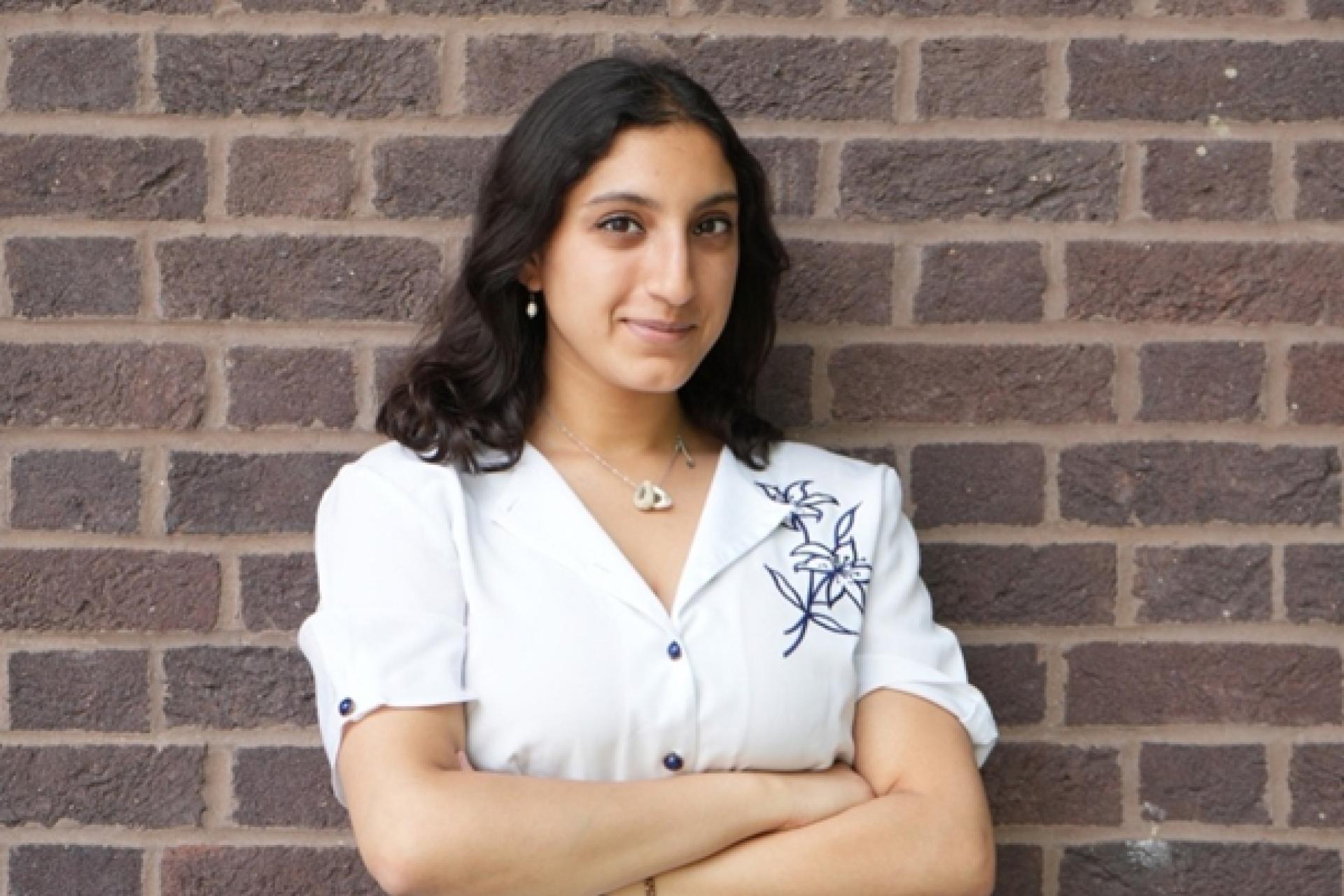
Aaliya Roy Kundal
Cindy Sue Who? Algorithmic Bias in Women’s Healthcare and Avenues to Legal Recourse
Aaliya is a graduate of UCL Laws and is currently training as a barrister on the Bar Practice Course at the University of Law. Her research interests are data ethics, AI governance, and minority rights. As a Laidlaw Scholar at UCL, she conducted independent research into AI adoption and the digital divide across the legal professions of the UK and India. She has worked with Lawyers Without Borders, Legal Action for Women, and Lawyers for Human Rights in Johannesburg, focusing on refugee rights, gender-based violence, and access to justice.
Undergraduate Category
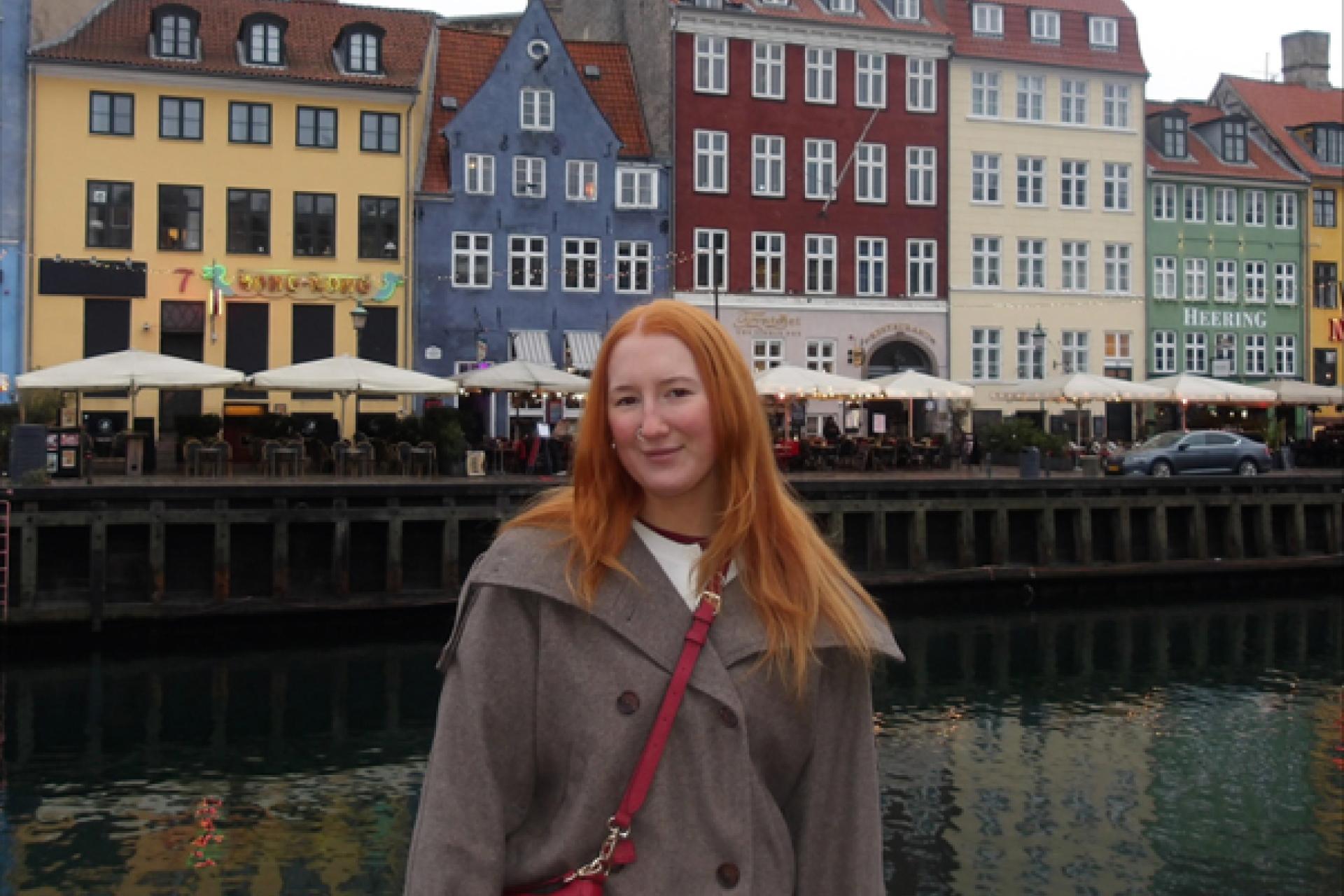
Winner: Eve Davis
Regulating Global Commercial Surrogacy amid Concerns about Autonomy and Structural Inequalities
Eve is an undergraduate law student in her final year at the University of Edinburgh. Eve has a particular interest in medical and global health law and hopes to pursue a career in global health policy.
Runners-Up:
William Terry
Stored Selves: The Case for Trust-Modelled Property in Human Tissue After Yearworth and Holdich
William is a law student at the University of Glasgow, entering his third year, with his research interests spanning broadly across private law. He holds a consistent first-class standing across his degree and will undertake an exchange at Queen's University, Canada, in September. Alongside his studies, William is a researcher for the Lawyers Without Borders Society, recently publishing work on the Crown Court backlog and implications for Article 6 ECHR.

Larissa Froggatt
The Joint Account Has Joint Liabilities: Genetic Discrimination and the Breakdown of Individualism after ABC v St George’s Healthcare NHS Trust
Larissa is an LLB student at LSE. Having studied medical law, she is fascinated by how a legal system designed for individuals struggles to handle information that affects multiple people. This challenge is the focus of her essay on genetic discrimination and the breakdown of individualism. With a strong interest in pro bono work, she is a Student Advisor at the LSE Legal Advice Clinic. She was also chosen to represent the LSE Law School at a United Nations simulation exploring how law can advance the Sustainable Development Goals on health and climate.

About the competition
The competition invites students to submit an essay within the broad scope of the Mason Institute’s work on ethics and law at the interface between health, medicine and the life sciences, on a national and global scale. Essays may be newly written, or previously written and submitted for one of the student’s courses within the past academic year.
Entries are judged on knowledge and understanding of the relevant material, clarity and style of writing, critical analysis and quality of argument, relevance, persuasive force, and originality of approach.
Learn more about the Mason Institute's work