Professor Jo Shaw compares US and Latin American citizenship law after Supreme Court ruling
Mon 6 July 2026
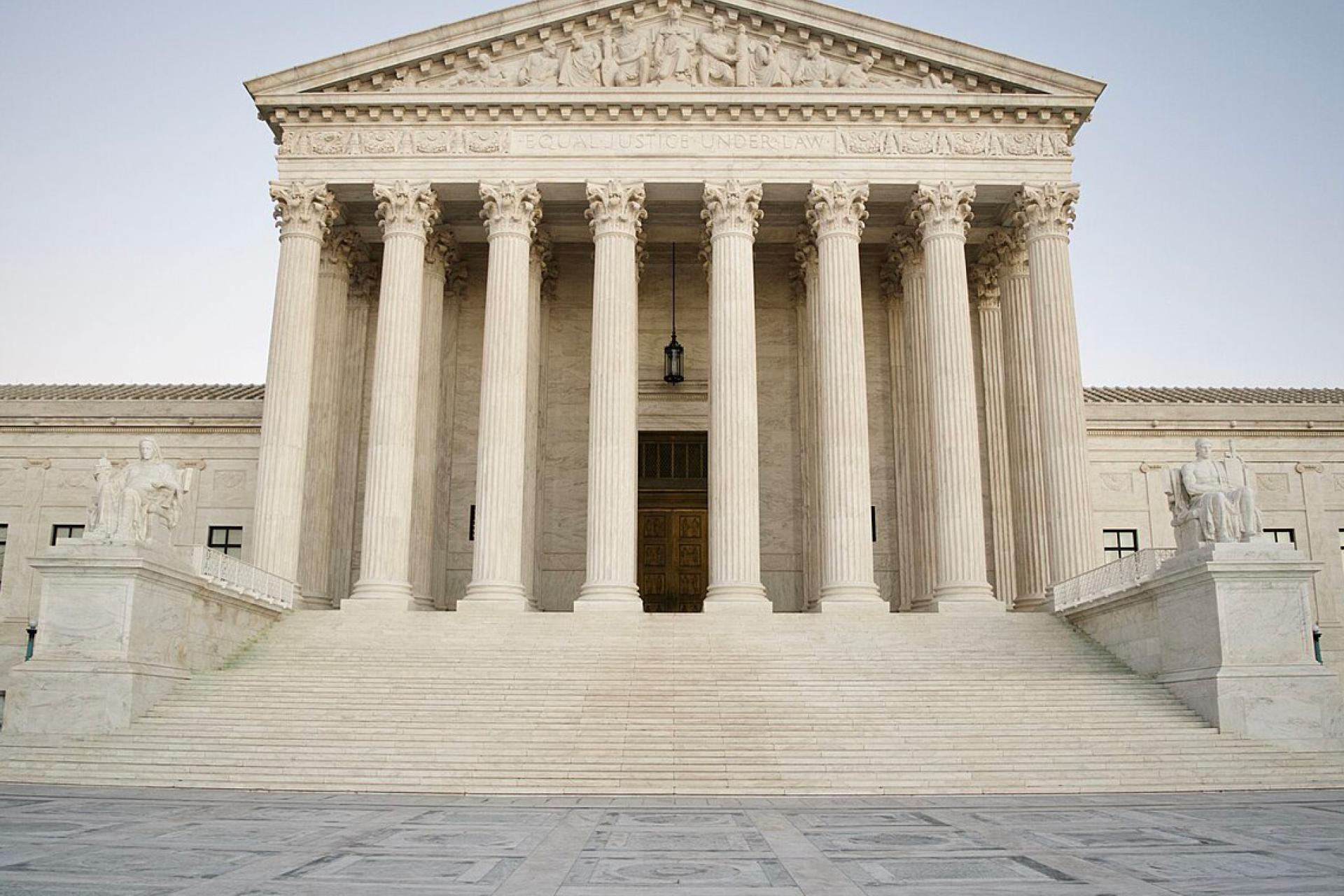
Professor Jo Shaw, Head of Edinburgh Law School, has provided expert commentary for Al Jazeera on the US Supreme Court's ruling upholding birthright citizenship (or ius soli – i.e. birth in the territory), drawing on her research into similar arrangements in Latin America.
The US Supreme Court ruled against the Trump administration's attempt to reinterpret the 14th Amendment and end automatic citizenship for children born on US soil to parents without full documentation or with time-limited visas.
Professor Shaw's contribution situated the US case in a broader international context. She noted that a substantial number of Latin American countries had arrangements very similar to that of the US, drawing on research she published in the International and Comparative Law Quarterly on birthright citizenship across the region. Each country, she explained, had developed its own particular legal framework comprising constitutional documents, legislative measures and executive action, where there was scope.
She highlighted an important point of contrast: unlike the US, Chile and Colombia did not extend the constitutional right to ius soli to “transient foreigners” or “foreigners in transit.” Professor Shaw warned that her research has shown that such provisions can have severely exclusionary effects in the light of 21st-century migration practices, depending on how they are applied by national legislatures and executives, and how “transient” is interpreted.
Read the article
Al Jazeera – US Supreme Court upholds birthright citizenship: Who wins, who loses?
Read the article on the ICLQ website (paywalled)
Image credit: Supreme Court Of The United States by Jesse Collins, Creative Commons Attribution 3.0 Unported license