New book explores the effect of fraud on transfers and its challenges for Scots law
Tue 10 November 2020
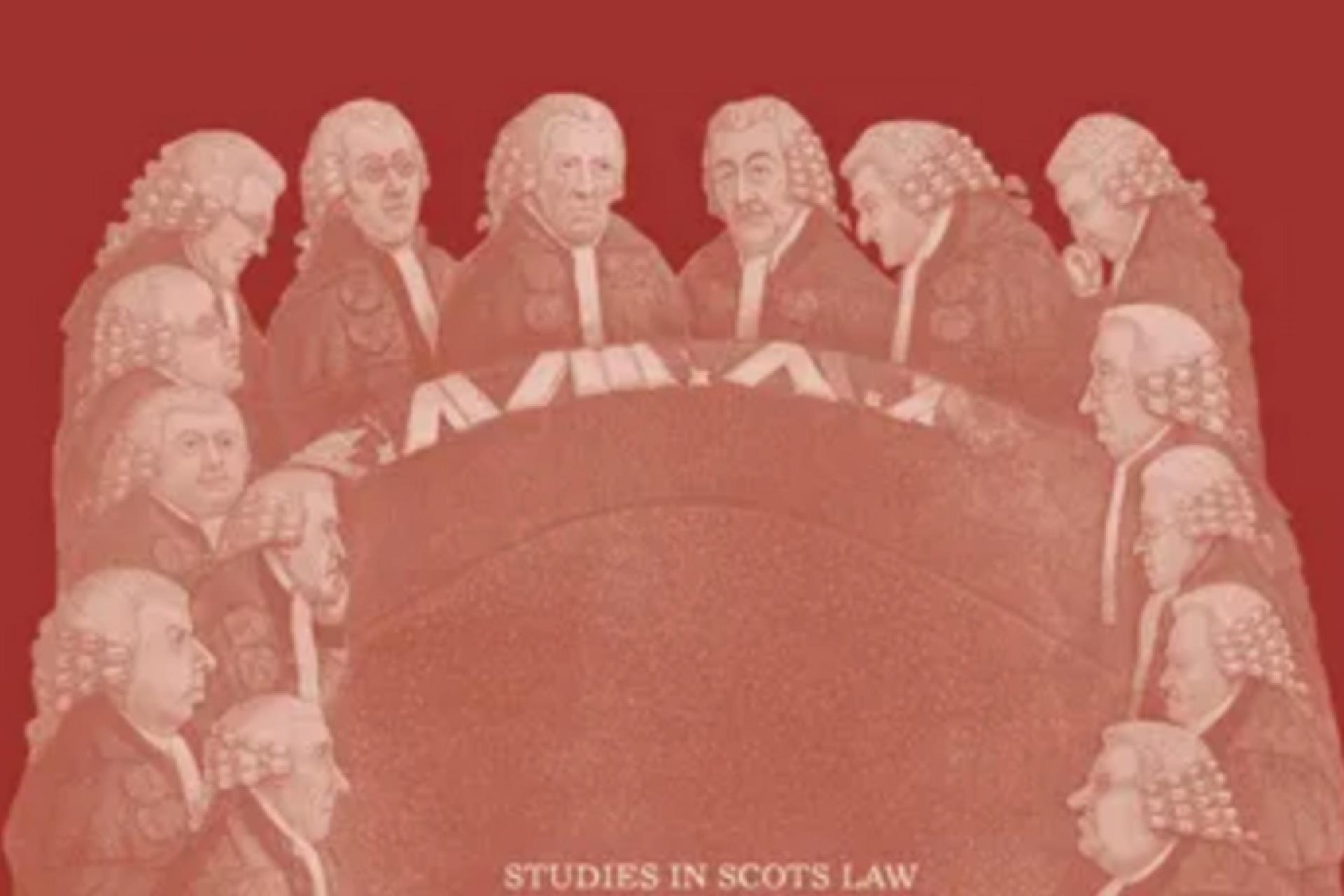
Dr John Macleod, Senior Lecturer in Private Law at Edinburgh Law School, has published a new book on “Fraud and Voidable Transfer”.
The effect of fraud upon transfers has provided a significant challenge to legal scholarship in Scotland. While it is generally accepted that fraud can render transfers voidable, there is much less consensus as to why this should be the case or as to what kind of conduct is classified as fraud for these purposes.
The central rules are clear, but the law is poorly understood and uncertain on points of detail. Much of the underlying law has a deep and sometimes obscure history. The topic requires consideration of the interaction between the law of property, obligations and debt enforcement.
“Fraud and Voidable Transfer” provides a principled account of the effect of fraud on transfer which explains the well-established rules in this area, shows how these rules fit within the broader framework of private law and provides guidance for cases where a rule is not clearly established.
This account is based on an examination of the development of the law which reflects the historical process by which the rules in this area developed and which considers their place within the broader European legal tradition. In particular, it addresses the emergence of the idea of voidability in Scots law, and voidability arising from misrepresentation, insolvency, and the so-called “offside goals rule”. Finally, it considers the rules on the treatment of a right to set aside a voidable transfer in the case of the transferee’s insolvency.
Funding for this research was provided by the Clark Foundation and “Fraud and Voidable Transfer” is published by the Edinburgh Legal Education Trust as part of the series, Studies in Scots Law.