Laura Wise co-authors new report on Global Fragmentation and Gender Equality in Peacemaking
Wed 7 January 2026
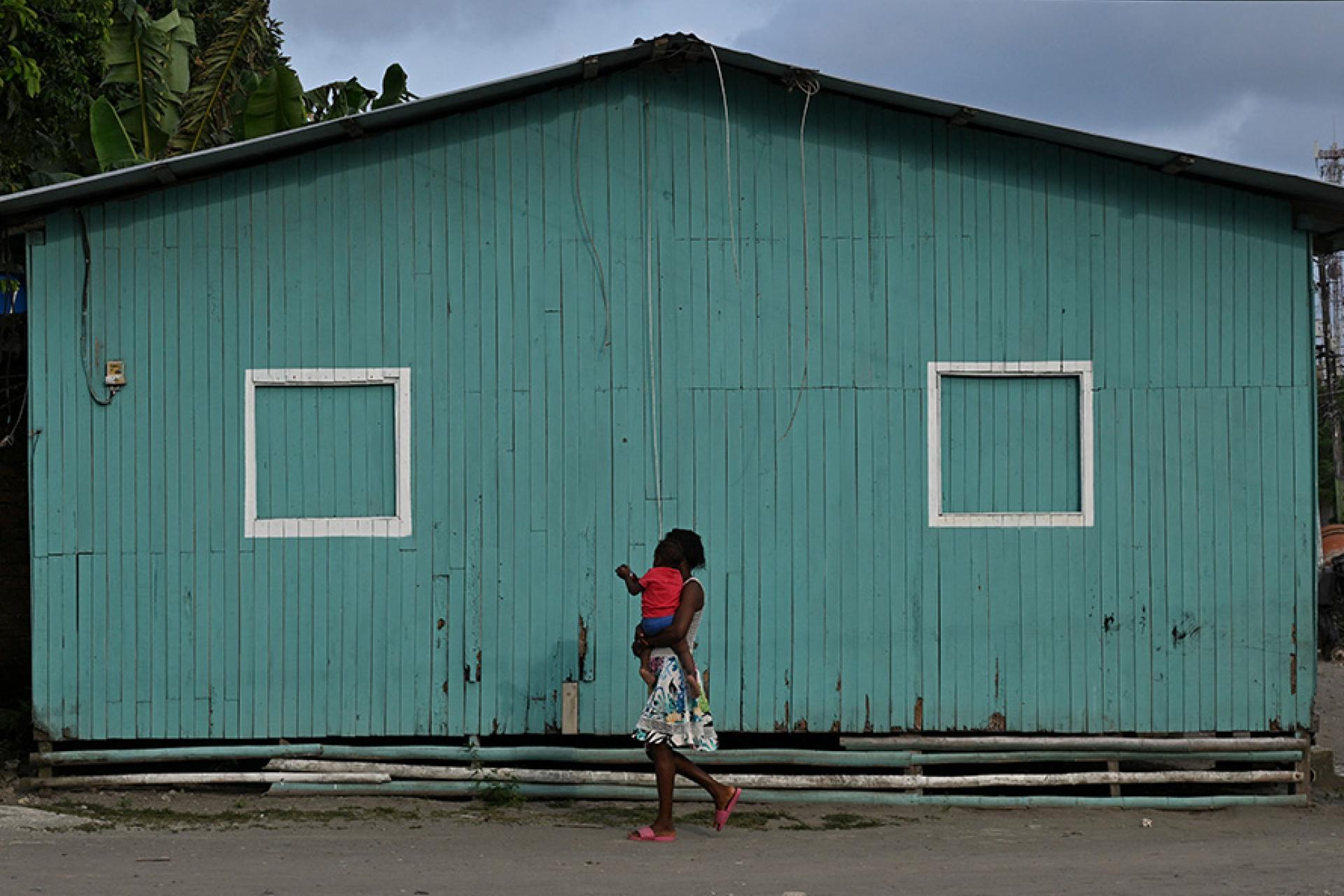
Photo credit: Photo by JOAQUIN SARMIENTO/AFP via Getty Images
New research published by the Scottish Council on Global Affairs and PeaceRep shows the impacts that global fragmentation and multi-mediation are having on the Women, Peace and Security agenda (WPS), particularly on gender equality in peacemaking.
As part of the project ‘Women, Peace and Security in Age of Fragmentation’, led by Senior Research Fellow Laura Wise, Edinburgh Law School hosted an expert hybrid workshop in October 2025. The workshop brought together a group of individuals at multiple career stages from the worlds of diplomacy, governance, research, policy, practice, and activism to collectively make sense of this current moment in peacemaking, and generate new ideas to respond to a common challenge.
Findings from these deliberations have now been published as a Scottish Council on Global Affairs Insight Report, co-authored by Laura Wise, Salma Yusuf, Kasia Houghton, and Edinburgh Law School Human Rights LLM alumna Fiona Campbell, accompanied by a standalone Policy Brief containing recommendations for donor governments, gender equality advocates, and WPS actors in peace processes.
The report sets out how global fragmentation manifests through diversified and competing peace processes, and highlights some of the contemporary global crises facing the WPS agenda, including anti-gender backlash, securitisation, and modern technological and climate threats to women and gender minorities. The report identifies new challenges faced by gender advocates in navigating peace processes under fragmentation, such as the side-lining of gender in mediation, splintering women’s movements, and funding cuts.
Incorporating a feminist praxis of action and hope, the report also shares some ways that peace and security actors are navigating multi-mediation to advance gendered perspectives, explores the transformative potentials of inclusive grassroots peacemaking in fragmented conflicts, and suggests some ways to rethink WPS in response to global fragmentation.
Read the full report and policy brief
Laura Wise, Principal Investigator of the SCGA project commented: “The collective workshop and report really show the breadth and depth of the impact that global fragmentation is having on gender equality in peacemaking. The diversification of mediation initiatives is not only engendering new challenges that gender equality advocates now have to confront, but multi-mediation is also exacerbating longstanding gendered barriers to women and gender minorities participation in peace processes. However, we are encouraged that in the face of such challenges, gender equality actors are still finding creative and feminist ways to navigate and influence peacemaking, and we hope that the tangible recommendations set out in the report serve as a call to action.”
The project has also released a blog post on Women’s Leadership in an Era of Multi-mediation and Fragmentation authored by Salma Yusuf, and a podcast conversation between Kasia Houghton, Laura Wise, and Fiona Campbell.
The project Women, Peace and Security in Age of Fragmentation ran from March – December 2025 and was primarily funded by the Scottish Council on Global Affairs, with additional support from PeaceRep, a multi-year research consortium led by Edinburgh Law School.