Reading 1776 through 1661: Barbados, America, and the (Un)Making of Modern Constitutionalism
Location:
Teaching Room 01
Old College
Date/time
Thu 5 November 2026
11:00-12:30
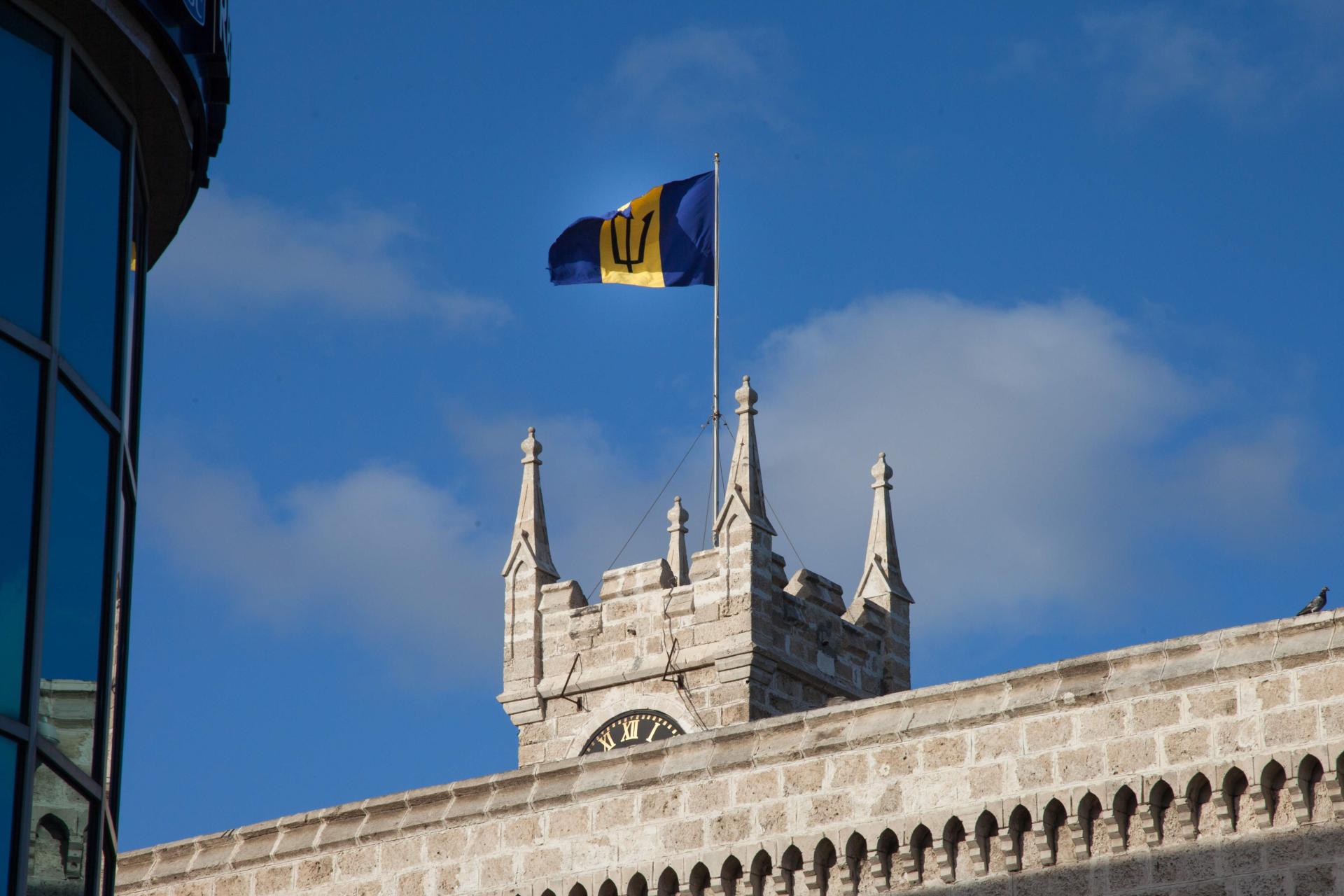
As America celebrates its 250th anniversary, it is an opportunity to critically (re)evaluate liberal democratic constitutionalism. What if the story of liberal democratic constitutionalism was told not only through 1776, but also through 1661? While narratives of constitutionalism are often anchored in the Enlightenment and the 1776 American Declaration of Independence and Revolution, this research-in-progress positions Atlantic slavery not merely as rarified history, but as a foundational site through which liberal democratic constitutionalism was and continues to be produced. The 1661 Barbados Slave Code is framed as a constitutive “seed crystal” for Atlantic slave constitutionalism. The research chronicles the active exportation of the Barbados Slave Code from Barbados to the Caribbean and mainland America through Carolina, which shaped the legal order of property, personhood, sovereignty, governance, and violence.
(Re)telling the story of America at 250 through Barbados opens a different constitutional genealogy. It shifts the story from one simply of 1776 liberation celebration to imperial continuity. Contemporary crises such as “democratic backsliding”, “authoritarianism” or “populism” may be understood not simply as failures to realise the promises of 1776, but as the continued operation of 1661 imperial logics, the very foundations upon which global liberal democratic constitutionalism was built. The shift opens a space for a decolonial constitutional manifesto to move beyond critique and imagine constitutional futures capable of breaking the continuity. By placing 1661 and 1776 in conversation, what kinds of new constitutional orders become possible?
Image credit: Adobe Stock