Dean’s Lecture: The Good Life after the Age of Growth
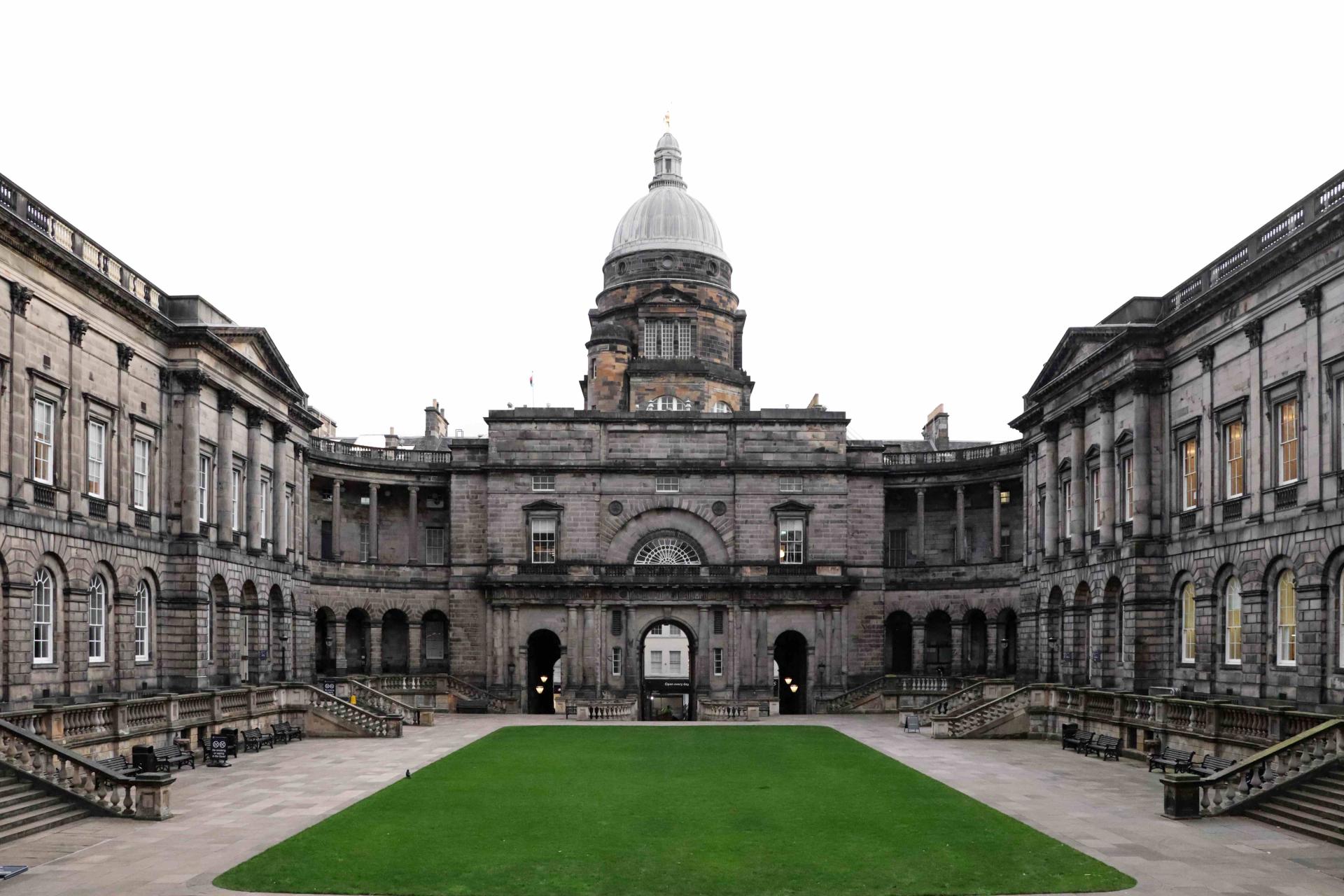
Location:
Usha Kasera Lecture Theatre,
Old College
Date/time
Thu 3 December 2026
17:15-18:30
Presented by our Dean's Fellow, Professor Daniel Markovits, Yale Law School
We are delighted to invite you to our next Dean's Lecture given by Professor Daniel Markovits on ‘The Good Life after the Age of Growth’ on Thursday, 3 December 2026.
About the event
The lecture will be about the past, present, and future of economic growth.
The most important stylized fact of economic history is that there was effectively no economic growth anywhere before 1600 +/- 200 years, and that there has been enormous economic growth everywhere since. There are two common views of this phenomenon, both about the origins of growth and about its future. A dominant romantic view attributes the invention of growth to innovations in natural science (Bacon and his circle) or social/legal science (the replacement of the predatory state with the rule of law). This view thinks of growth as a blessing from the start and proposes that if we can only be innovative and virtuous enough, we can keep growing forever. A second, cynical view has long been recessive but is gathering steam now. This view understands growth as a malign force from the beginning, associated with colonial oppression and extractive abuse of nature. This view thinks that growth must end soon and can’t end soon enough, under a crushing weight of inequality and ecological degradation.
The lecture will begin by developing a third view, namely that growth was a remarkable and salutary virtue, but that it’s a virtue with a shelf life, and that growth is now approaching its best-before date. The first part of the lecture will develop a related account of the origins of Age of Growth. This will propose that growth isn’t just an economic fact; it’s also a moral ideal, indeed, the organizing ideal for our civilization. The growth ideal, moreover, helped to cause the economic fact, specifically by solving a trio of problems—economic, social, and spiritual—that pre-growth civilization was unable to manage, yielding economic prosperity, social solidarity, and spiritual comfort. The second part of the lecture will argue that growth in fact has inverted the relation of the growth ideal to our problems. Under the circumstances that Age of Growth has produced, the growth ideal now exacerbates the economic, social, and spiritual problems that it once helped to solve. Where the growth ideal once brought prosperity, it now brings destruction; where the growth ideal once brought solidarity, it now brings discord; and where the growth ideal once brought comfort, it now brings despair. Growth will therefore end, not today or tomorrow, but soon and for a long time. The third part of the lecture will observe that if growth is our civilization’s defining moral ideal, and growth in fact ends, this will leave an enormous imaginative hole in our civilization. The lecture will speculate on the economic, social, and spiritual values that might be developed to fill the hole.
About the speaker 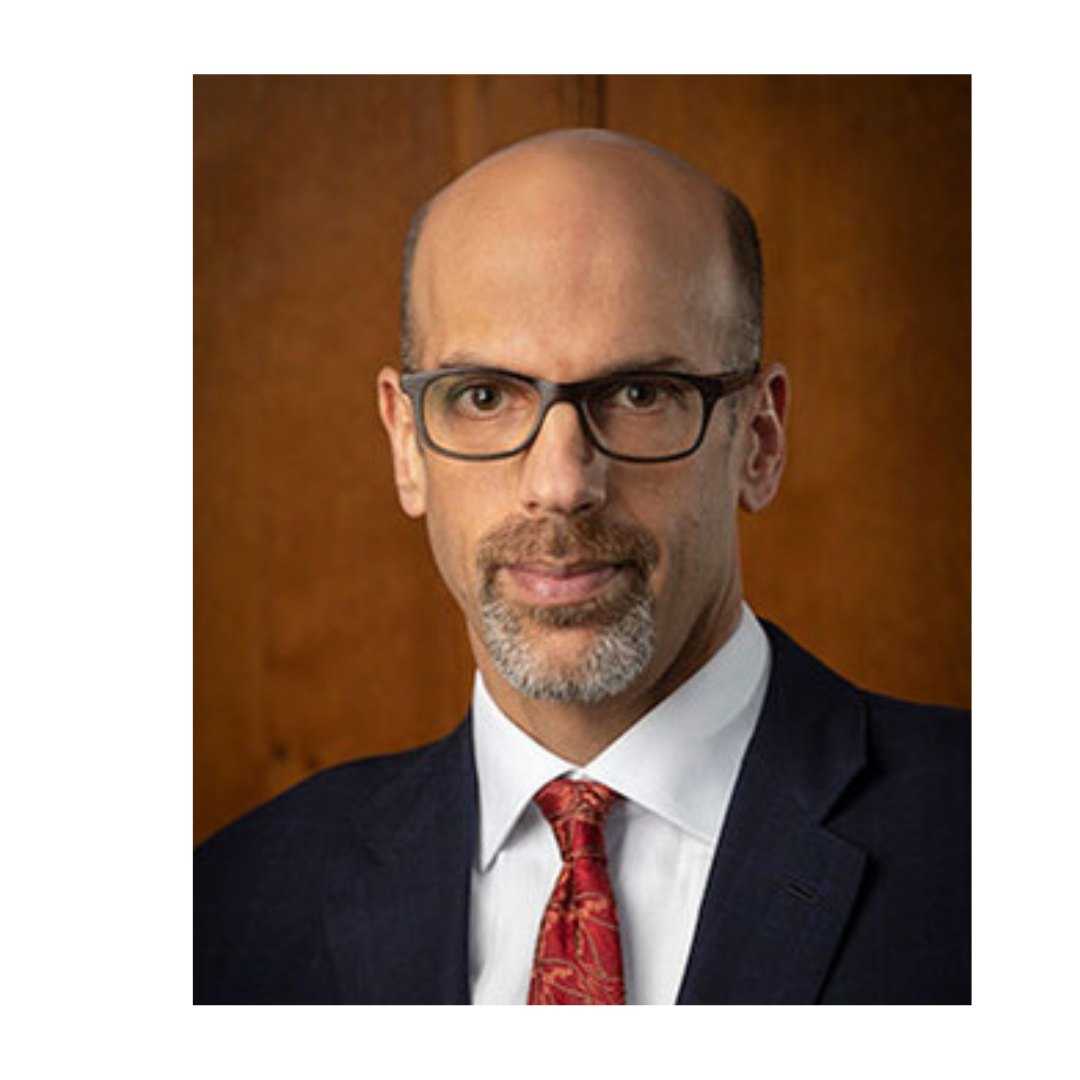
Daniel Markovits is the Guido Calabresi Professor of Law at Yale Law School and the Founding Director of the Center for the Study of Private Law. Professor Markovits publishes widely and in a range of disciplines, including law, philosophy, and economics. His writings have appeared in Science, The American Economic Review, The Yale Law Journal, The Stanford Encyclopedia of Philosophy, The New York Times, The Washington Post, Time, and The Atlantic. In 2021, Prospect Magazine named him to its list of the world’s top 50 thinkers. His last book, The Meritocracy Trap (Penguin Press, 2019), develops a sustained attack on American meritocracy. He is also working on a new book, tentatively called The Good Life after the Age of Growth. Further information on Professor Markovits can be found in his academic profile.